Imagine your family sitting around the dinner table. There is food on the plates, water in the glasses, and perhaps someone asking for another piece of bread. Before eating, you pause to pray. Then your child asks:
“Why do we ask God for bread if we already have food?”
When Jesus taught His followers to pray, He included these words: “Give us this day our daily bread” (Matthew 6:11). This short request invites us to trust God for what we need, appreciate what we receive and care about other people’s needs. Here are some ways to explore it with children aged roughly 4–10.
What Does “Give Us This Day Our Daily Bread” Mean?
This sentence comes from the Lord’s Prayer, also called the Our Father. Bread is real food, something our bodies need. The request also helps us think about other necessities that sustain life: clean water, shelter, clothing and care.
Christians also connect this petition with spiritual nourishment. Catholic families can explore its connection with the Eucharist as children grow. For younger children, begin simply:
“We ask God for what we need today. We thank Him for what we receive and remember other people’s needs too.”
1. Learning the Difference Between Needs and Wants
Imagine walking through a shop when your child spots a colourful new toy. There is nothing wrong with wanting it. Toys can support imagination and play, and enjoying a present is not something to feel guilty about.
Children need opportunities to play, rest and learn. But they do not need every particular toy they see. Similarly, we need food, while we might want a favourite pudding; we need warm clothes, while we might prefer a particular design.
Explain: “God cares about what helps us live and grow. We can enjoy special things too, while learning to notice what we really need.”
Ask together: “What is something you needed today? What is something extra you enjoyed?” Listen without turning the conversation into a test or a reason to refuse every treat.
2. Gratitude Begins With Noticing
It is easy to look forward to a birthday present and overlook a familiar kindness: someone making breakfast, listening to a worry or helping us find a lost shoe. Gratitude begins when we pause to notice.
Before a meal, ask: “How many people helped make this food possible?” Think about the people who grew it, transported it, sold it and prepared it. Thank God for the meal and thank the person who cooked or served it.
Children can also notice things beyond possessions: a friend’s company, a comforting conversation or someone making time for them.
Being grateful does not mean pretending everything is easy. We can say thank you and still feel worried, disappointed or in need of help. A child does not have to hide a difficult feeling to show gratitude.
Ask together: “What is something you are thankful for that you do not always notice?”
3. Why Do We Ask for Bread “Today”?
Jesus teaches us to bring our daily needs to God. We do not have to wait for a special occasion or a serious problem before praying.
At breakfast, you might talk about what each person needs that day: food for a packed lunch, energy for school or help with something difficult. Offer a short prayer, then do what you can to prepare.
Trusting God does not mean every difficulty disappears or every wish comes true. It goes alongside practical action, including working, asking for help and caring for one another.
It also leaves room to plan. Preparing tomorrow’s meal or saving for a future need does not contradict praying for daily bread. We can make sensible preparations while bringing today’s concerns to God.
Ask together: “What do we need help with today, and what can we do to prepare?”
4. Why Does the Prayer Say “Us” and “Our”?
These small words widen our attention. We ask for our daily bread as people who belong to a community, remembering others as well as ourselves.
Some families have enough food; others face circumstances that make meeting their needs difficult. Lacking food is not a sign that someone has failed to pray or trust God enough. This prayer invites care, not blame.
Families sometimes give help and sometimes receive it. Both are ordinary parts of caring for one another. If your family needs support, explain that accepting help is nothing to be ashamed of.
Children do not need to feel responsible for solving hunger. They can begin by noticing a need and choosing one manageable way to help with an adult.
Ask together: “Who could use some help or encouragement this week?”
5. Turn Gratitude Into One Act of Generosity
Try this Daily Bread Kindness Challenge. Allow five minutes to choose an action, then arrange a suitable time to carry it out.
- Notice. Name something you are thankful for and think about someone who could use help.
- Choose. Let your child help select one realistic action. Keep it small enough to complete together.
- Act. Decide when to do it and what adult help is needed.
- Reflect. Afterwards, ask: “How did our action help? What did you notice?”
Choose an option that fits your family:
- Check a local food bank’s current requested-items list and, if you can, choose an item to donate.
- Help prepare a meal for someone, with adult guidance.
- Take on a household task to give another family member a rest.
- Make a thoughtful card or spend time with someone who would welcome company.
- Offer a book or toy through a community donation programme, if your child freely chooses to give it.
Generosity can involve time and attention, so spending money is optional. Children should not feel pressured to give away treasured belongings. The purpose is to respond to someone’s needs with care, not earn praise or compete over who gives the most.
A Simple Family Prayer Before Meals
Dear God,
Thank You for the food and care we receive today.
Thank You for the people who help us.
Please provide for those who do not have enough.
Help us ask for help when we need it and share what we can.
Amen.
Questions Families May Ask
How can I explore this with a preschooler?
Keep it to one sentence and one action: “We ask God for what we need today.” Let your child name something they are thankful for, then help with a simple task such as putting napkins on the table.
What if my child cannot think of anything to be thankful for?
Do not insist on an answer. Listen to how their day has been. You can share something you noticed and return to the conversation another time. Gratitude grows through example and practice.
Does this request appear elsewhere in the Bible?
Yes. Alongside Matthew 6:11, a similar request appears in Luke 11:3. You can read either passage together in your family’s Bible.
Explore the Lord’s Prayer Through a Story
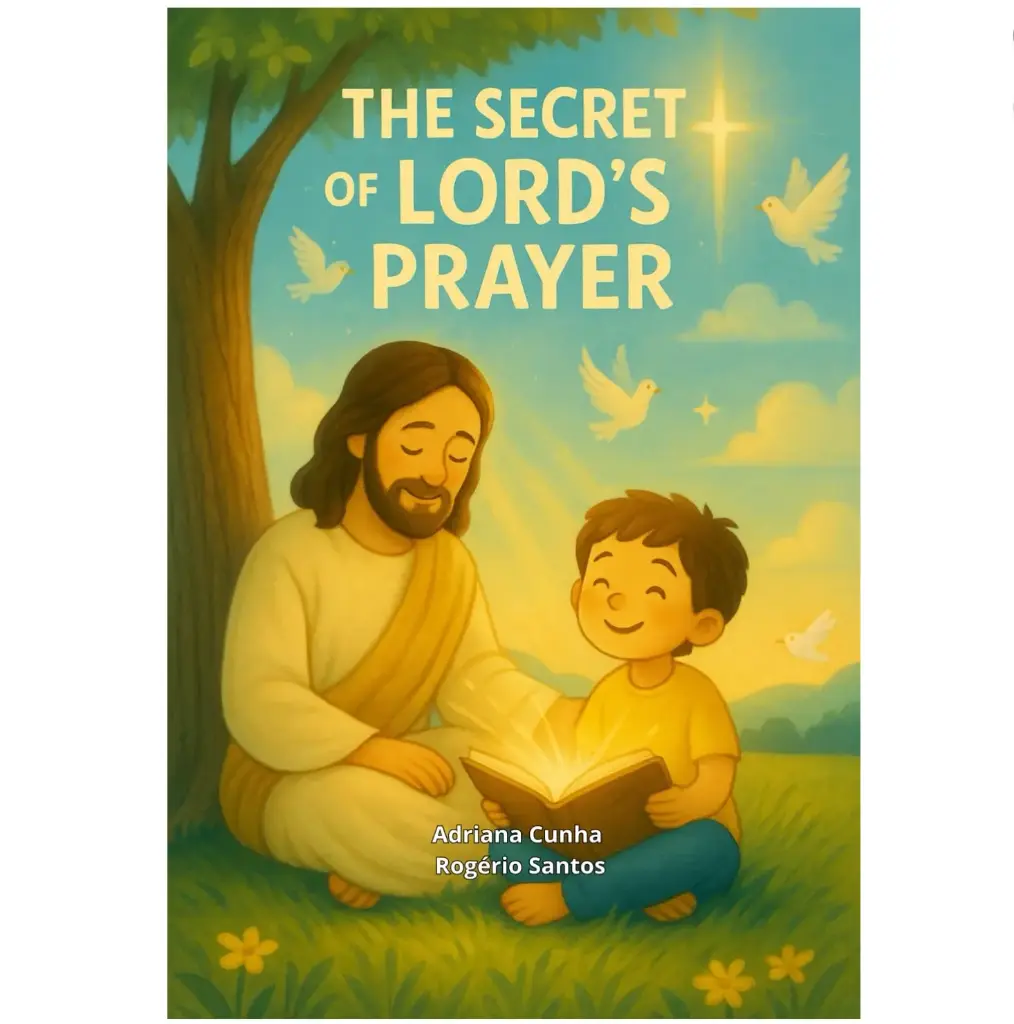
The Secret of the Lord’s Prayer
The Secret of the Lord’s Prayer, by Adriana Cunha and Rogério Santos, offers an illustrated way to explore the prayer with children.
Read together and pause at “daily bread” to talk about gratitude, everyday needs and what your family can share.
Explore the BookOne Small Act of Gratitude
The next time your family sits down for a meal, remember: “Give us this day our daily bread.” Notice something you have received, thank God and the people who helped, and choose one practical way to care for someone else.
This week, turn one “thank you” into one kind action.